
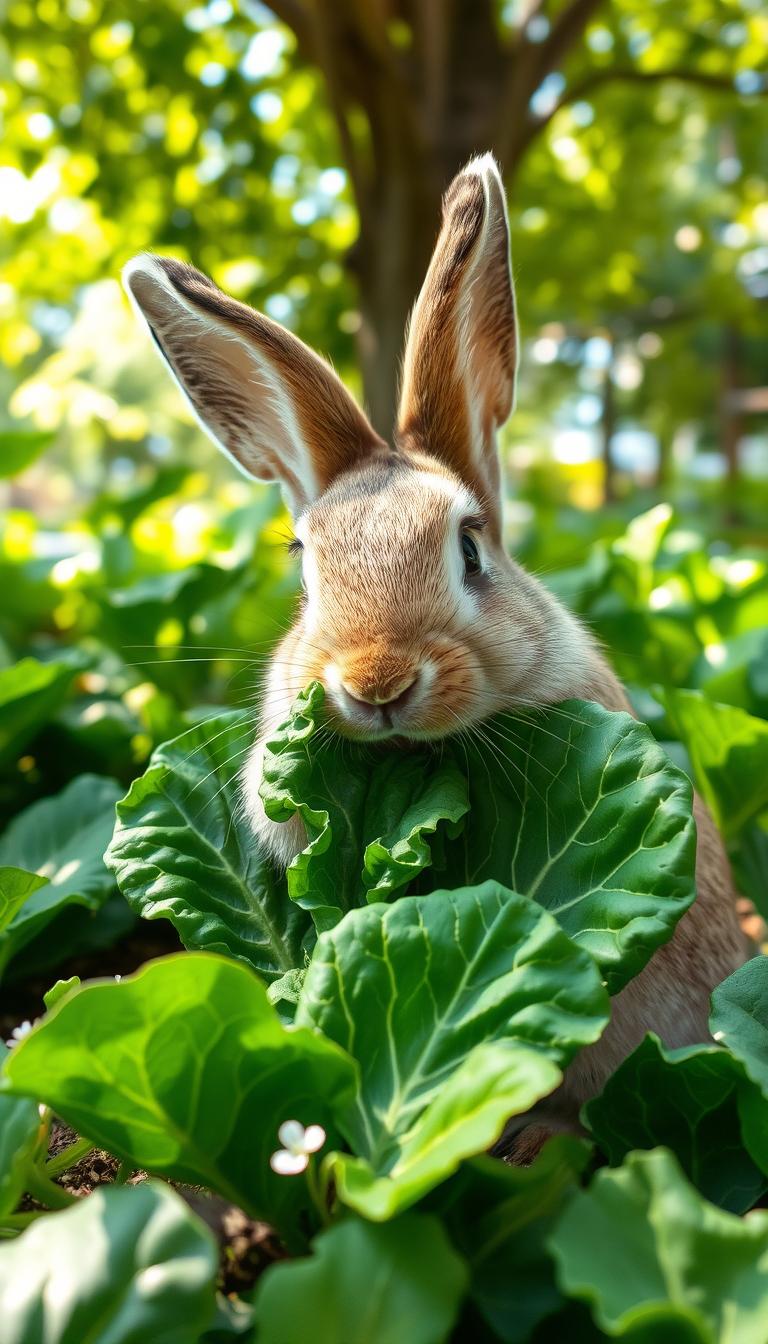
Many bunny owners wonder about expanding their pet’s menu with fresh leafy greens. Collard greens often spark curiosity due to their robust texture and nutrient-packed leaves. These vegetables belong to the Brassica family, sharing traits with kale and mustard greens, but offer a distinct flavor profile that some rabbits adore.
Rich in vitamins A, C, and K, these greens provide essential minerals like calcium and fiber. Their slightly bitter taste can add variety to your furry friend’s diet while supporting digestive health. However, moderation remains key—like most vegetables, they should complement hay-based meals rather than replace them.
This guide explores how to safely introduce collard greens into your rabbit’s routine. You’ll learn preparation tips, ideal serving sizes, and creative ways to mix them with other bunny-approved foods. We’ll also address common concerns about oxalic acid content and calcium levels to help you make informed choices.
By understanding your pet’s nutritional needs, you can create balanced meals that keep those whiskers twitching with excitement. Let’s dive into what makes this leafy vegetable a potential superstar in your rabbit’s feeding plan!
Table of Contents
Why Collard Greens Are a Nutritious Choice for Your Rabbit

Leafy vegetables play a vital role in keeping your furry companion thriving. Collard greens stand out with their powerhouse combination of fiber and essential nutrients tailored to herbivore needs. Let’s explore what makes them a smart addition to your pet’s rotation.
Key Nutrients and Fiber Benefits
Packed with insoluble fiber, these greens help maintain smooth digestion and naturally grind down teeth. The leaves deliver vitamin A for vision support and vitamin C to strengthen immunity. Unlike sugary snacks, they provide steady energy without spiking blood sugar levels.
Their rough texture encourages chewing, which promotes dental health and mental stimulation. Pairing collards with other best leafy options creates variety while meeting daily fiber goals.
Understanding Calcium and Vitamin Content
While calcium strengthens bones and teeth, moderation prevents urinary concerns. One cup of chopped greens offers about 10% of a rabbit’s daily calcium needs. Vitamin K in collards supports blood clotting and works synergistically with calcium for skeletal health.
Rotate these greens with lower-calcium vegetables to balance intake. This approach lets your pet enjoy the benefits without overloading their system. Always observe how your bunny responds when introducing new foods!
Can A Rabbit Eat Collard Greens? Dos and Don’ts
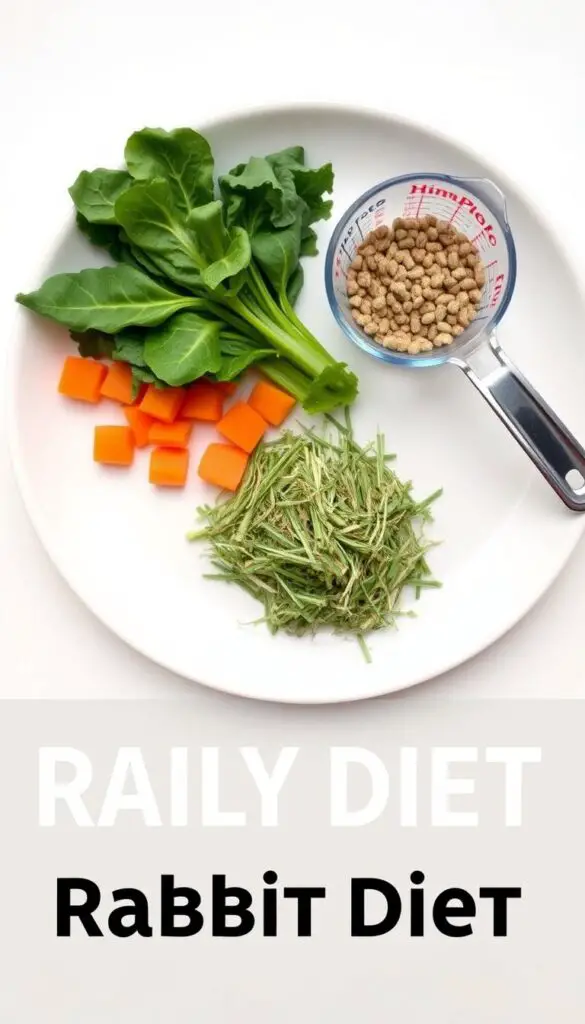
Your furry friend’s diet thrives on variety, but some leafy options need thoughtful limits. While packed with nutrients, these vegetables require strategic planning to support your pet’s health without overwhelming their delicate system.
Moderation is Key
Limit collard greens to 2-3 weekly servings alongside other vegetables. A balanced approach prevents excess calcium buildup while letting your companion enjoy their crunchy texture. Offer one tablespoon per two pounds of body weight each feeding time—about the size of a large strawberry.
Rotate these greens with lower-calcium choices like romaine lettuce or cilantro. This rotation keeps meals exciting while maintaining nutritional harmony. Always wash leaves thoroughly and remove tough stems before serving.
Observing Your Rabbit’s Digestive Response
Watch for soft stools or reduced appetite during the first 48 hours after introducing new foods. Healthy digestion shows in firm, round droppings and consistent eating habits. If you notice sluggish behavior or a messy stomach area, pause collard greens and consult your vet.
Start with tiny portions—a single leaf fragment—and gradually increase the amount over 7-10 days. This slow transition lets gut bacteria adapt smoothly. Pair observations with a food journal to track patterns and preferences effectively.
How to Safely Introduce Collard Greens to Your Rabbit’s Diet

Transitioning your pet to new foods requires patience and strategy. These leafy vegetables pack a nutritional punch but demand careful handling to prevent digestive surprises.
Gradual Introduction Techniques
Start with a piece no bigger than your thumbnail. Watch closely for 24 hours—healthy droppings and normal appetite mean your bunny’s system is coping well. Increase portions slowly over 7 days, letting their gut bacteria adjust.
Keep a food journal to track reactions. Pair new collard leaves with familiar veggies like cabbage to ease acceptance. Never introduce multiple foods simultaneously—it clouds cause-effect observations.
Portion Control and Preparation Tips
Match serving size to your pet’s body weight. A 4-pound rabbit needs about 2 tablespoons daily. Chop leaves into bite-sized pieces to prevent choking and mix with other greens for variety.
| Rabbit Weight | Initial Serving | Max Daily Amount |
|---|---|---|
| 2 lbs | 1 tsp | 1 tbsp |
| 4 lbs | 2 tsp | 2 tbsp |
| 6 lbs | 1 tbsp | 3 tbsp |
Rinse leaves under cold water, pat dry, and refrigerate unused portions. Discard wilted pieces immediately—they harbor harmful bacteria. Always prioritize fresh hay as the dietary foundation.
Pairing Collard Greens with a Balanced Rabbit Diet
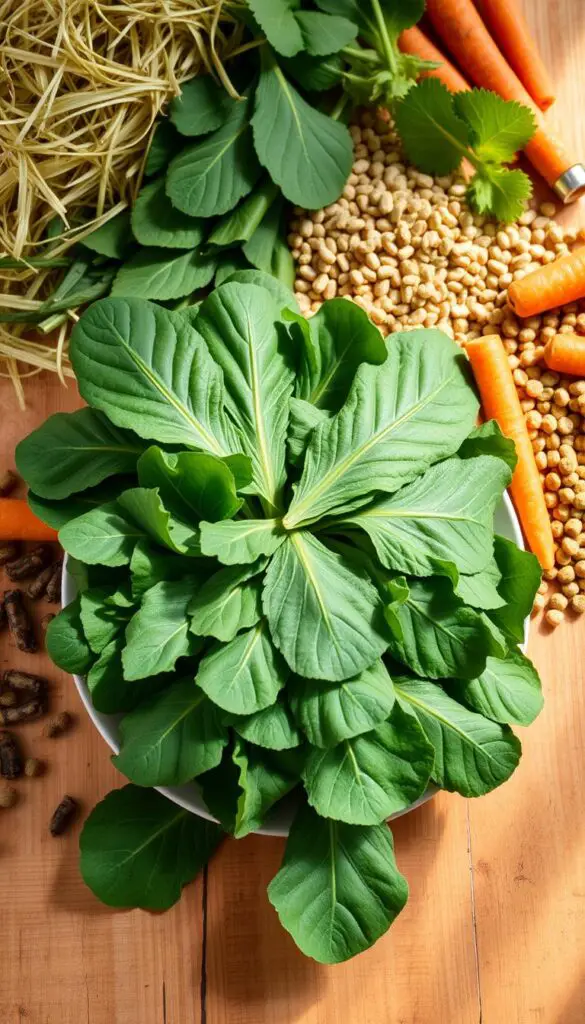
Creating nutritious meals for your furry companion means balancing leafy vegetables with foundational staples. Fresh hay should form the bulk of their daily intake, but thoughtful combinations with other foods elevate their health.
Mixing Greens for Variety
Rotate collard leaves with romaine lettuce, cilantro, and basil. This approach delivers diverse nutrients while keeping meals exciting. Aim for 1-2 cups of mixed greens daily per 4 pounds of body weight.
Include three types of vegetables each day. Parsley adds vitamin C, while green leaf lettuce provides hydration. Always chop greens into bite-sized pieces for easy munching.
Complementing with Hay and Other Essentials
Timothy or orchard hay should make up 80% of your pet’s plate. A bundle matching their body size supports digestion and wears down teeth naturally. Avoid alfalfa hay for adult rabbits—its high calcium content suits growing bunnies better.
Limit pellets to ¼ cup daily for a 6-pound pet. Pair these with fresh hay and vegetable mixes for complete nutrition. Always keep water available in chew-proof bowls.
Remember: balance prevents boredom and deficiencies. As rabbit diet experts note, variety keeps those twitching noses curious and those hopping legs strong!
Wrapping Up Your Rabbit’s Collard Greens Journey
You’ve mastered the art of balancing nutrition and variety for your furry companion. These leafy treats offer fiber-rich benefits without the risks of high-sugar options like carrots or other safe fruits. Their crunchy texture supports dental health while delivering essential vitamins for immune strength.
Remember: moderation prevents calcium buildup. Rotate collards with vegetables like romaine lettuce to keep meals exciting. Observe your pet’s digestion closely—firm droppings signal a happy system.
Adult rabbits thrive when their diet combines fresh hay, diverse greens, and occasional treats. Unlike sugary snacks, these greens maintain stable energy levels and promote natural tooth wear. Every bunny has unique preferences, so adjust portions based on their weight and reactions.
By prioritizing low-sugar, nutrient-dense foods, you’re ensuring long-term health and vitality. Your careful approach creates a meal plan that’s as enjoyable as it is beneficial—keeping those whiskers twitching for more!


