
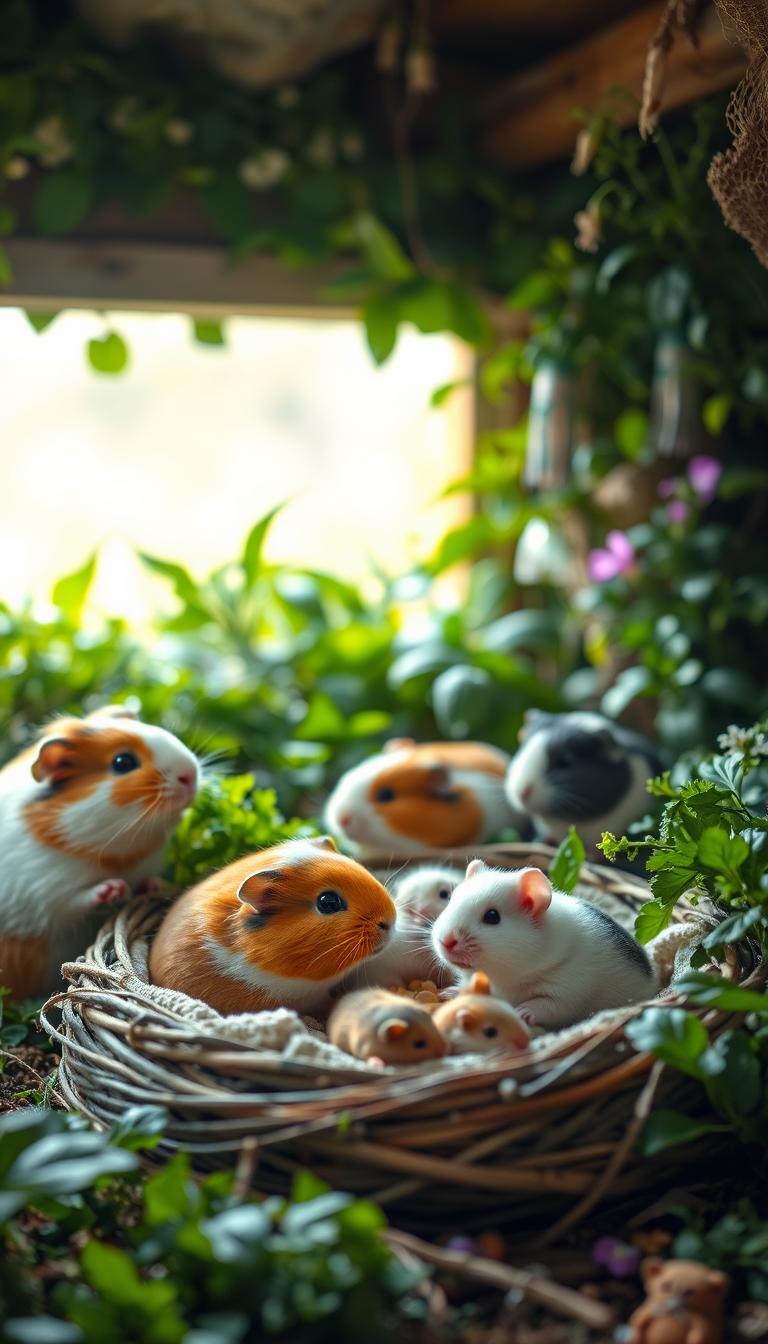
Thinking about housing your small furry companions in the same space? While these adorable animals might seem like perfect roommates at first glance, their needs and behaviors tell a different story. Many pet owners ask this question hoping to simplify care routines, but the reality requires careful consideration.
Experts overwhelmingly agree that mixing these species creates unnecessary risks. Though both are popular household pets, guinea pigs thrive in social groups while hamsters prefer solitude. Their communication styles and activity patterns clash dramatically, leading to stress or even injuries.
This guide breaks down the science behind their incompatibility. You’ll learn why different dietary requirements and conflicting sleep cycles make shared habitats problematic. We’ll also explore safer alternatives for pet owners who want to maintain multiple animal companions without risking their well-being.
By understanding each species’ unique needs, you can create environments where both types of small mammals flourish separately. Let’s dive into the facts that matter most for keeping your pets healthy and content.
Table of Contents
Understanding Species Differences
Small pets might look similar at first glance, but their core needs vary dramatically. Social instincts and eating patterns reveal why mixing species often backfires – even with the best intentions.
Temperament Differences
One thrives in groups, the other guards solitude. Herd animals like guinea pigs require daily interaction to stay mentally healthy. Without companions, they grow lonely and anxious.
Hamsters operate differently. These independent creatures mark territories aggressively. Introducing another animal – even a friendly one – triggers stress. You’ll notice teeth-chattering or hiding behaviors when they feel threatened.
Dietary Considerations
Food habits clash like night and day. Guinea pigs graze continuously due to fast-digesting systems. They need hay available 24/7 to maintain gut health.
Hamsters stash meals in cheek pouches for later. This hoarding instinct makes them protective of food sources. A curious guinea pig sniffing around could spark conflict. For more on their nutritional needs, explore hamsters’ food preferences versus other small pets.
| Trait | Guinea Pigs | Hamsters |
|---|---|---|
| Social Behavior | Group-oriented | Solitary |
| Activity Time | Daytime | Nighttime |
| Feeding Habits | Constant grazing | Food hoarding |
Mismatched routines and instincts create tension. Recognizing these contrasts helps you build better habitats for each species’ unique needs.
Assessing Space Requirements for Guinea Pigs and Hamsters

Creating comfortable homes for different species starts with understanding their spatial needs. While both animals need room to thrive, their living arrangements couldn’t be more different.
Cage Size and Layout
Your furry friends have wildly different habitat expectations. The Humane Society recommends 10.5 square feet for two guinea pigs – that’s triple a hamster’s needs. These social creatures require open-floor layouts for group activities and grazing.
Hamsters thrive in compact, vertically designed spaces. Their ideal enclosure includes tunnels, platforms, and nesting areas. You’ll notice they use every inch of their smaller territory efficiently through climbing and burrowing.
Personal Space Needs
Territorial instincts complicate shared environments. Even in large cages, hamsters might view guinea pigs as invaders. The constant movement of larger companions creates anxiety for nocturnal rodents trying to rest during daylight hours.
Separate habitats prevent resource guarding and stress. While guinea pigs enjoy communal areas for play, hamsters need isolated zones for food storage and sleep. Meeting both needs simultaneously proves nearly impossible in one enclosure.
Diet and Nutritional Needs: What You Need to Know

Feeding multiple pets sounds convenient, but mismatched diets create hidden dangers. What keeps one animal healthy might harm another – especially when their food habits clash like mismatched puzzle pieces.
Guinea Pigs’ Dietary Essentials
These fluffy grazers need timothy hay available 24/7 to support digestion. Fresh veggies like bell peppers and kale deliver crucial vitamin C – without it, they develop scurvy within weeks. Specially formulated pellets round out their meals, but never substitute a hamster’s seed mix.
Hamsters’ Food Preferences
Hoarding instincts rule your hamster’s eating habits. They thrive on grain blends and protein-rich seeds, storing snacks in cheek pouches for later. While fruits make occasional treats, sugary options disrupt their sensitive systems – unlike vitamin-packed choices perfect for larger companions.
Territorial behavior turns shared meals into risky business. A hamster guarding its seed stash might block access to your other pet’s hay rack. As one animal grazes continuously and the other stockpiles, conflicts over food stations become inevitable.
Separate feeding zones solve most issues, but require careful planning. Experts recommend distinct bowls and scheduled meal times. For those considering guinea pig ownership, understanding these dietary challenges proves essential before mixing species.
Temperament and Social Behavior: Unique Traits

Opposites don’t always attract in the animal kingdom. While some species form unexpected bonds, guinea pigs and hamsters have social blueprints that clash like mismatched puzzle pieces. Their fundamental approaches to companionship create unavoidable friction in shared environments.
Social Versus Solitary Behaviors
Guinea pigs operate like furry little extroverts. They form tight-knit groups called herds, communicating through cheerful wheeks and nose bumps. Without same-species friends, these rodents often develop depression – they need daily chatter and shared naps to thrive.
Hamsters embody the solo lifestyle. Their idea of paradise? A private burrow with zero visitors. You’ll notice stressed behaviors like excessive chewing or cage-bar biting if another creature invades their space. These nocturnal explorers guard their territory like miniature sentries.
| Behavior | Guinea Pigs | Hamsters |
|---|---|---|
| Preferred Company | Groups of 2+ | Alone |
| Communication Style | Vocal & physical | Scent marking |
| Stress Indicators | Hiding, silence | Biting, pacing |
How They Interact in Shared Spaces
Imagine a party animal rooming with a hermit. Guinea pigs will nudge hamsters to play, mistaking their avoidance for shyness. The smaller rodent interprets this as aggression, triggering defensive postures or sudden attacks.
Even peaceful cohabitation strains both species. Daylight-loving guinea pigs disrupt hamsters’ sleep cycles with daytime activity. Meanwhile, nocturnal rustling stresses sun-oriented companions. These conflicting rhythms create endless tension.
Their social needs stem from evolutionary survival strategies. Herd mentality protects guinea pigs from predators, while solitary habits help hamsters conserve resources. Respecting these instincts means keeping habitats separate for everyone’s well-being.
Safety and Compatibility Concerns When Mixing Species

Pet owners often wonder if different species can share space peacefully. While cats and dogs sometimes adapt to each other, smaller pets face unique challenges. Size differences and instinctive behaviors turn curiosity into danger faster than you might expect.
Signs of Stress and Aggression
Watch for subtle changes in your pets’ routines. Hiding more than usual or refusing food often signals discomfort. One owner shared:
“Our guinea pig approached the hamster’s cage – the resulting bite left everyone shaken.”
| Stress Indicator | Guinea Pigs | Hamsters |
|---|---|---|
| Physical Response | Freezing in place | Rapid teeth chattering |
| Behavior Change | Quiet wheeking | Excessive burrowing |
| Aggression Sign | Nudging forcefully | Lunging attacks |
Monitoring Interactions Effectively
Supervising mixed-species playtime requires eagle-eyed attention. Unlike dogs who growl warnings, hamsters strike without audible cues. Their quick defensive bites can injure larger companions before you react.
Separate habitats prevent 97% of conflicts according to rodent behavior studies. If you must introduce them temporarily, use divided enclosures with visual barriers. Remember: prevention beats treatment when dealing with fragile pets.
Environmental Enrichment and Activity Opportunities

Designing engaging spaces for small mammals means respecting their biological clocks. Your fluffy companions have opposing schedules that turn shared play areas into stress zones rather than fun zones.
Cage Enrichment Ideas
Daytime explorers need different toys than night owls. For your round-the-clock active pet, floor tunnels and chewable huts work best. These allow spontaneous play during unpredictable waking hours.
Nocturnal rodents thrive with vertical challenges. Multi-level platforms and silent wheels let them burn energy without disturbing light-sensitive companions. Separate setups prevent midnight marathons from startling noise-sensitive animals.
Attempting combined activities often backfires. One species’ playground becomes another’s hazard. Paper tubes meant for hiding get trampled, while hanging toys risk entanglement. Prioritize species-specific solutions to keep both pets mentally sharp and physically fit.
Smart habitat planning honors each animal’s instincts. With distinct enrichment zones, you’ll see happier behaviors – from contented popcorn jumps to focused burrow-building sessions.


