
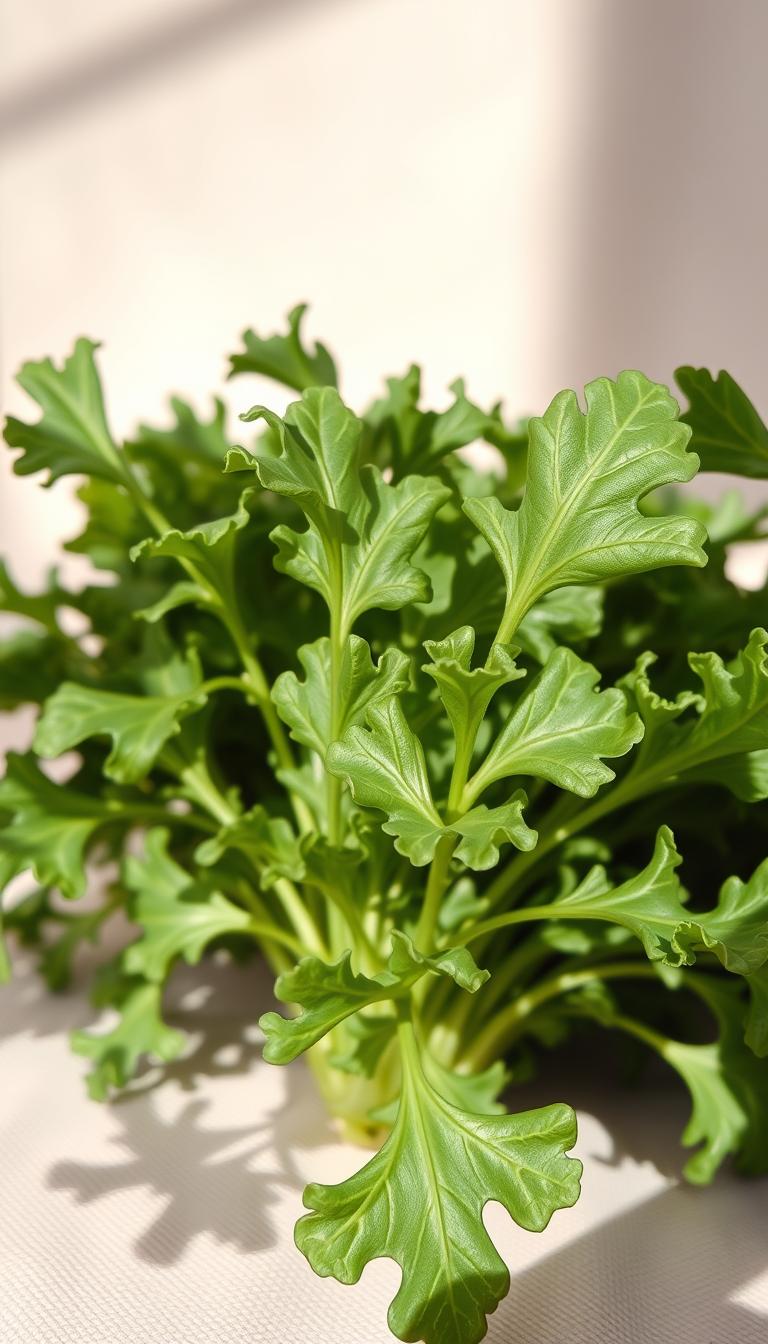
If you’re curious about leafy greens for your furry companion, you’re not alone. Rocket lettuce, also known as arugula, often sparks questions among pet owners. Providing a balanced diet is crucial for keeping small herbivores healthy and energetic.
Many owners worry about introducing new foods safely. This guide explores whether this peppery green fits into a nutritious meal plan. You’ll learn how to balance vitamins, minerals, and portion sizes without risking digestive issues.
We’ll break down the benefits of fresh greens and highlight potential concerns. Discover practical tips for adding variety while prioritizing your pet’s well-being. By the end, you’ll feel confident making informed choices about their daily meals.
Table of Contents
Understanding Arugula: Nutritional Facts and Benefits
Leafy greens play a vital role in your pet’s diet, and this peppery vegetable stands out for its nutrient-packed profile. Let’s break down what makes it a smart choice—and how to use it wisely.
Key Nutrients in This Leafy Green
Every 100 grams of fresh arugula delivers:
| Nutrient | Amount | Role |
|---|---|---|
| Vitamin C | 15 mg | Immune support |
| Calcium | 160 mg | Bone strength |
| Fiber | 1.6 g | Digestive health |
Why These Components Matter
Vitamin C prevents scurvy in small pets, while calcium supports teeth and skeletal structure. However, too much calcium can lead to bladder stones. The fiber content keeps their digestive system running smoothly, and low sugar levels reduce obesity risks.
“While this green offers valuable nutrients, balance is key to preventing health issues,” notes a certified exotic animal veterinarian.
Pairing it with low-calcium veggies like bell peppers creates a safer meal plan. Always rotate greens to avoid nutrient overload and keep meals exciting for your furry friend.
Exploring Guinea Pig Diets: Essential Feeding Guidelines

Creating a meal plan for your furry friend involves more than just tossing veggies into their cage. A structured approach ensures they get all necessary nutrients without overwhelming their delicate systems.
The Foundation of Daily Nutrition
High-quality hay should make up 70-80% of their food intake, supporting digestion and dental health. Fresh water and timothy-based pellets complete the basics. Vegetables add vital vitamins but require careful portion control.
Smart Vegetable Integration Strategies
Rotate leafy options like romaine lettuce and cilantro to provide diverse nutrients. Follow this weekly schedule for optimal variety:
| Day | Green Vegetable | Serving Size |
|---|---|---|
| Monday | Kale | 1/4 cup |
| Wednesday | Spinach | 2-3 leaves |
| Friday | Bok Choy | 1 small stalk |
Wild counterparts naturally consume diverse plants, as shown in habitat-based feeding studies. Mimic this pattern by introducing new items slowly—wait 3 days between additions to monitor reactions.
Remember: Overfeeding calcium-rich greens can cause health issues. Pair high-nutrient options with low-oxalate choices like zucchini for balanced meals. This approach keeps meals exciting while meeting nutritional needs.
Can Guinea Pigs Eat Arugula?

Adding variety to your pet’s plate keeps meals exciting while supporting their health. This zesty leafy green offers unique benefits but requires thoughtful integration into their diet.
Feeding Recommendations and Moderation Tips
Offer this vegetable 2-3 times weekly alongside low-calcium options like bell peppers. A thumb-sized portion per serving prevents nutrient overload. Mix it with romaine lettuce or cilantro to balance flavors and textures.
Rotate greens daily to avoid repetitive calcium intake. Overconsumption may lead to bladder issues, so track their weekly veggie rotation. Fresh water access helps flush excess minerals from their system.
Comparing Nutritional Profiles
While romaine lettuce serves as a daily staple, this peppery green works better as an occasional treat. See how common options stack up:
| Vegetable | Calcium per 100g | Feeding Frequency |
|---|---|---|
| Arugula | 160mg | 2-3x weekly |
| Romaine | 33mg | Daily |
| Kale | 254mg | 1x weekly |
Leafy varieties like butterhead lettuce provide hydration with lower mineral content. Always pair stronger flavors with milder greens to encourage consistent eating habits. Variety remains the cornerstone of a thriving diet for small herbivores.
Introducing Arugula to Your Guinea Pig’s Meal Plan

Expanding your pet’s menu requires thoughtful planning to balance nutrition and safety. Whether you choose store-bought or garden-fresh greens, gradual introduction helps prevent digestive surprises.
Fresh vs. Homegrown Options
Pre-washed supermarket greens offer convenience for busy owners. Look for crisp, dark leaves without yellowing. For those with outdoor space, growing your own plants ensures pesticide-free freshness. Homegrown varieties often have a milder flavor that picky eaters prefer.
Step-by-Step Introduction Process
Follow this schedule to safely add new greens:
| Day | Action | Purpose |
|---|---|---|
| 1-2 | Offer 1-2 leaves with familiar veggies | Test tolerance |
| 3-4 | Increase to 3-4 leaves if no issues | Monitor digestion |
| 5-7 | Serve thumb-sized portions 2-3x weekly | Establish routine |
Watch for soft stools or reduced appetite during the first 48 hours. If problems arise, pause the new food and consult your vet. Pair peppery greens with sweeter options like red bell peppers to encourage nibbling.
Rotate this vegetable with other low-calcium choices throughout the week. Consistent variety prevents boredom while maintaining nutritional balance. Always wash leaves thoroughly, whether store-bought or home-harvested.
Warnings and Considerations When Feeding Arugula

When introducing new foods, awareness of potential risks is crucial. While leafy greens add nutritional value, some require extra attention to keep your pet thriving long-term.
Understanding Calcium Levels and Risks
This green contains 160mg calcium per 100g—nearly five times more than romaine lettuce. High mineral content supports bone health but becomes problematic with frequent feeding. Urinary stones and kidney strain often develop when calcium-rich foods dominate meals.
Owners report transitioning from daily lettuce portions to limited servings after noticing cloudy urine in their pets. Rotate arugula with low-calcium options like cucumbers or zucchini to maintain balance. Track weekly intake using a simple chart:
| Food | Calcium Level | Safe Frequency |
|---|---|---|
| Arugula | High | 2-3x weekly |
| Bell Pepper | Low | Daily |
| Spinach | Very High | 1x weekly |
Advice from Vet Approved Sources
Certified exotic animal vets emphasize tailored diets. “Every guinea pig has unique needs,” explains Dr. Sarah Mitchell, a 2025 vet approved nutrition specialist. Schedule check-ups if your pet has a history of bladder issues or shows signs like reduced water consumption.
Approved dr. recommendations suggest pairing this green with vitamin C-rich foods to enhance nutrient absorption. Watch for subtle changes—lethargy or unusual urination patterns mean it’s time to consult your vet. Proactive care prevents minor issues from becoming major health crises.
“Rotation prevents overload. Treat high-calcium greens like seasoning rather than main ingredients.”
Community Insights: Real-Life Experiences with Arugula

Learning from others’ journeys helps navigate new foods confidently. Pet owners worldwide share creative solutions for balancing nutrition and taste preferences.
Creative Feeding Strategies from Owners
Paris, a spirited guinea pig from Ohio, eagerly munches on arugula leaves during weekly treat sessions. Her owner alternates this green with romaine and butterhead lettuce to maintain variety. Others report success using red leaf lettuce as a daily base while rotating stronger-flavored veggies.
Popular approaches from online forums include:
| Owner Strategy | Greens Used | Frequency |
|---|---|---|
| Arugula as occasional treat | Mixed with bell peppers | Twice weekly |
| Lettuce rotation system | Red/green leaf + herbs | Daily + alternates |
| Veggie “mix-ins” | Arugula + cucumber | 3x weekly |
“My herd prefers arugula folded into hay bundles—it becomes a fun foraging activity!”
Seasoned owners suggest tracking reactions through simple journals. Note which greens get eaten first or left untouched. This reveals personal preferences while ensuring balanced nutrition.
Communities emphasize gradual introduction periods. One Virginia-based rescuer shares: “New arrivals often hesitate with peppery greens. Mixing tiny arugula bits with familiar foods helps them adjust.”
Nutritional Comparison: Arugula versus Other Common Greens
Selecting the best greens for your small companion involves understanding nutritional trade-offs. Different leafy vegetables offer unique benefits that work best when combined thoughtfully.
Breaking Down Key Differences
Romaine lettuce provides reliable hydration with just 33mg calcium per 100g—ideal for daily use. In contrast, the peppery green packs 160mg calcium, requiring careful portion control. Bell peppers steal the spotlight with 80mg vitamin C per serving, nearly five times more than arugula.
| Vegetable | Vitamin C | Calcium | Best For |
|---|---|---|---|
| Arugula | 15mg | 160mg | Occasional variety |
| Romaine | 4mg | 33mg | Daily base |
| Bell Pepper | 80mg | 10mg | Immune support |
Fiber levels stay consistent across these options, aiding digestion when rotated properly. The zesty green’s bold flavor often delights pets who enjoy exploring new textures. Pair it with mild lettuces to balance taste preferences.
“Think of nutrient-dense greens as accent pieces—they enhance meals without dominating the plate,” suggests Dr. Emily Torres, rodent nutrition specialist.
Sweet vegetables like carrots contain more sugar, while arugula’s low sugar content suits sensitive stomachs. Create weekly menus that prioritize romaine and peppers, using the peppery option for flavorful twists 2-3 times weekly. This strategy keeps meals exciting while maintaining nutritional harmony.
Tips for Enhancing Your Guinea Pig’s Diet
A colorful mix of veggies keeps meals exciting while supporting long-term health. Smart rotations and professional guidance help maintain nutritional balance tailored to your companion’s needs.
Mix Up Leafy Options
Rotate 3-4 greens weekly to provide diverse nutrients. Pair daily staples like romaine lettuce with occasional calcium-rich choices. This approach prevents boredom and mineral overload.
| Daily Greens | Weekly Treats | Monthly Options |
|---|---|---|
| Butterhead lettuce | Kale | Mustard greens |
| Endive | Swiss chard | Dandelion leaves |
| Green beans | Bok choy | Collard greens |
Partner with Veterinary Experts
Schedule check-ups to discuss dietary adjustments. Online vet consultations offer convenient ways to address concerns like:
- Unusual eating habits
- Weight fluctuations
- Urinary health changes
“Digital platforms let us review feeding logs in real-time, making tailored advice more accurate than ever,” notes Dr. Lisa Reynolds, exotic pet nutritionist.
Track reactions to new foods using simple charts. Note preferences and digestive responses. This data helps vets spot trends and recommend personalized plans.
Wrapping Up Your Approach to Guinea Pig Nutrition
Balancing your pet’s meals requires both knowledge and creativity. By focusing on moderation and variety, you can safely include peppery greens like arugula 2-3 times weekly. Pair them with low-calcium vegetables to prevent mineral buildup while keeping meals engaging.
Always prioritize vet-approved guidelines when introducing new foods. Track portion sizes and watch for changes in eating habits or digestion. Rotating leafy options ensures your furry friend gets diverse nutrients without overloading on any single ingredient.
For personalized advice, talk to a vet familiar with small herbivores. They’ll help tailor feeding plans based on your companion’s age, health history, and preferences. With careful planning, you’ll create a vibrant menu that supports lifelong vitality.


