Many pet owners wonder about sharing human foods with their furry companions. While store-bought varieties might seem harmless, fungal options require special attention. Raw, washed specimens from trusted sources may occasionally be safe, but they lack essential nutrients like vitamin C that these animals desperately need.
Your pet’s safety depends on understanding which foods support their unique digestive systems. Though some non-toxic options exist, wild or exotic types pose serious risks. Experts emphasize focusing on leafy greens and hay instead, as detailed in this guide to safe dietary choices.
Veterinarians rarely recommend these items due to their low nutritional value and potential hazards. Even safe varieties should only appear as rare treats – never staples. Prioritize fiber-rich vegetables that align with your companion’s natural eating habits.
This exploration will help you make informed decisions about unconventional snacks. You’ll learn why most professionals advise against fungal additions and discover healthier alternatives that keep your small friend thriving.
Table of Contents
Understanding Guinea Pig Nutritional Needs
Your furry friend thrives on a carefully balanced plant-based menu. Unlike omnivorous animals, their body processes food in ways that demand specific nutrients for optimal health. Let’s explore what keeps these small herbivores energetic and disease-free.
Plant-Powered Digestion
These rodents evolved to eat grasses and leafy vegetation. Their digestive systems work best with constant access to timothy hay – it maintains gut motility and naturally files down ever-growing teeth. Fresh veggies like bell peppers and romaine lettuce add variety while delivering essential vitamins.
The Vital Role of Vitamin C
Did you know your pet can’t make this crucial nutrient? Without daily vitamin C intake through food, they risk developing scurvy. Symptoms include lethargy and joint pain. Incorporate these top sources into meals:
| Food Item | Vitamin C (mg per 100g) | Serving Frequency |
|---|---|---|
| Red Bell Pepper | 128 | Daily |
| Kale | 93 | 3-4x Weekly |
| Broccoli | 89 | 2-3x Weekly |
For a deeper look at natural eating habits, consider how wild relatives sustain themselves. Domestic pets benefit from structured meals that mirror these patterns while meeting enhanced nutritional demands.
Can Guinea Pigs Eat Mushrooms?

Determining safe snacks for small pets involves careful evaluation of food preparation and sourcing. While some human foods seem harmless, their suitability depends on biological needs and digestive capabilities.
Fresh Versus Heat-Treated Options
Raw varieties from grocery stores might occasionally pass as occasional nibbles. However, heat-altered fungi disrupt delicate stomachs completely. Cooking alters textures and chemical structures, creating digestion challenges that often lead to bloating or diarrhea.
Commercial Products vs Natural Growths
Supermarket selections differ drastically from forest-floor growths. Cultivated types sold in stores lack the lethal compounds found in many wild species. Yet even these “safe” versions provide minimal nutritional benefits compared to staple vegetables.
Never risk offering foraged fungi – their toxicity levels remain unpredictable. Veterinary nutritionist Dr. Emily Carter notes: “One bite of poisonous varieties could trigger liver failure before symptoms appear.”
Focus instead on proven veggies rich in fiber and vitamin C. When uncertain about any food’s safety, consult an exotic pet specialist before introducing new items.
Safe Types of Mushrooms for Your Guinea Pig
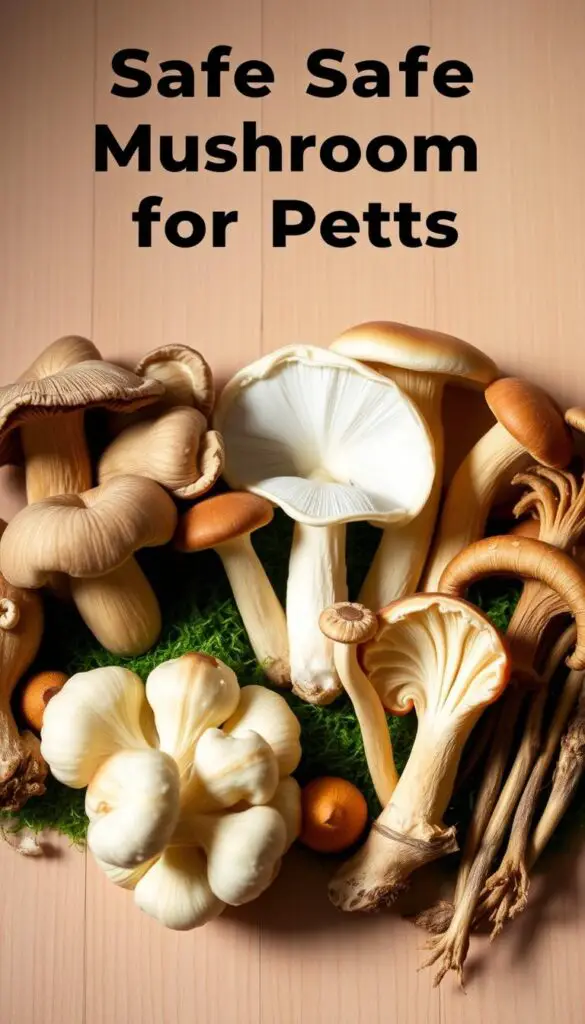
While most veterinarians discourage unconventional snacks, some store-bought fungal varieties pose minimal risks when handled carefully. Always prioritize washed, raw specimens from reputable suppliers – never offer wild-picked or cooked versions.
Common Edible Varieties Explained
Button and cremini types rank among the least problematic options. These mild-flavored varieties contain no known toxins but should still represent less than 1% of weekly meals. Portobello mushrooms require extra preparation – their broad caps need chopping into thumbnail-sized pieces.
Specialty options like shiitake or oyster mushrooms occasionally appear on safe lists. Their unique textures might intrigue curious pets, though strong earthy flavors often deter repeated nibbling. Remember: “non-toxic” doesn’t equal “nutritious” for herbivores needing constant fiber intake.
| Variety | Preparation | Serving Size |
|---|---|---|
| Button | Raw, washed | 1 thin slice |
| Cremini | Chopped finely | 2-3 small pieces |
| Portobello | De-stemmed & diced | 1 teaspoon |
Even approved types should only appear as rare curiosities. Rotate standard veggies like cucumber or zucchini for safer exploration. As one exotic animal vet advises: “When in doubt, stick to what’s proven to keep their digestive clockwork ticking.”
Risks and Drawbacks of Feeding Mushrooms

Introducing new foods to small pets requires understanding hidden dangers beneath seemingly harmless snacks. While some fungal varieties appear safe, their unique biology creates multiple health concerns worth considering carefully.
Delicate Digestive Systems
These animals process fiber-rich plants efficiently but struggle with fungi’s complex cell walls. Even washed store-bought options may cause bloating or diarrhea due to unusual textures. Overfeeding disrupts gut bacteria balance, potentially leading to appetite loss or dehydration.
Unpredictable Reactions
Wild varieties contain toxins that threaten organ function – one nibble could prove fatal. Some pets develop skin rashes or breathing difficulties after exposure, signaling allergic responses needing immediate care. Their small size amplifies risks from compounds humans tolerate easily.
Consider these critical factors:
- Store-bought types lack nutritional value compared to vitamin-packed veggies
- Foraged fungi often carry unidentified poisons
- Individual sensitivities vary widely between animals
Veterinarians stress sticking to proven greens rather than experimenting with risky alternatives. As one animal nutrition expert notes: “Their health depends on consistency – why gamble with unfamiliar foods?”
How to Incorporate Mushrooms into Your Guinea Pig’s Diet Safely

Offering new snacks requires thoughtful planning to protect your companion’s health. While standard veggies remain ideal, occasional fungi can add novelty if handled correctly. Follow these guidelines to reduce risks while satisfying curious appetites.
Proper Preparation Techniques
Start with fresh store-bought varieties – never wild-harvested. Wash thoroughly under running water to remove dirt and chemicals. Slice into pea-sized pieces to prevent choking and aid digestion. Remove stems from portobello caps since they’re tougher to chew.
| Preparation Step | Purpose | Frequency |
|---|---|---|
| Washing | Remove pesticides | Every serving |
| Chopping | Prevent choking | Always |
| Portion Control | Avoid digestive issues | Occasional treats |
Moderation is Key
Limit these snacks to once monthly at most. Offer a piece smaller than your fingernail initially. Watch for 24 hours for loose stools or lethargy. Rotate with safer options like bell peppers if your pet shows interest in varied textures.
Remember: fungal treats should never replace vitamin-rich staples. As one rodent nutrition expert advises: “A bored pet needs enrichment – not risky food experiments.” Prioritize toys and habitat upgrades over questionable snacks.
Nutritional Value Comparison: Mushrooms vs. Other Foods

Evaluating snack options for small pets involves more than just safety checks. While some foods offer unique benefits, their actual nutritional value must align with your companion’s biological needs. Let’s break down how fungi stack up against proven dietary staples.
Essential Nutrients Breakdown
Mushrooms contain trace amounts of B vitamins and potassium. However, they lack the vitamin C critical for preventing scurvy – a life-threatening condition in these animals. Compare this to red bell peppers, which deliver 128mg of vitamin C per 100g alongside beneficial fiber.
Consider these key differences:
- Fiber content: 2.5g per 100g in mushrooms vs 21g in timothy hay
- Vitamin D: Present in some fungi but unnecessary for pets getting sunlight
- Protein: Minimal amounts compared to quality pellets
While selenium and amino acids appear in mushrooms, these nutrients are better absorbed from leafy greens. Kale provides 93mg of vitamin C alongside calcium for bone health – a dual benefit fungi can’t match.
Veterinary nutritionist Dr. Lisa Morrison explains: “Every bite should count. Prioritize foods that deliver multiple essential compounds in bioavailable forms.” This approach ensures your pet maximizes their limited stomach capacity without nutritional gaps.
Guinea Pig-Friendly Alternatives to Mushrooms
Exploring nutritious options keeps your small companion both happy and healthy. While curiosity about new foods is natural, sticking to proven choices ensures their diet supports long-term wellness. Focus on colorful vegetables and fiber-rich greens that align with their biological needs.
Leafy Greens and Fresh Vegetables
Romaine lettuce and spinach provide essential nutrients without digestive risks. Crunchy bell peppers add vitamin C and hydration, while thinly sliced carrots offer satisfying texture. Cucumbers make refreshing treats during warmer months.
Rotate these staples to maintain interest:
- Kale (rich in calcium)
- Zucchini (low in sugar)
- Parsley (occasional garnish)
Other Vitamin C-Rich Options
Red bell peppers outshine most foods with 128mg of vitamin C per serving. Broccoli florets and Brussels sprouts (steamed) add variety while boosting immunity. These nutrient-dense alternatives prevent deficiencies better than experimental snacks.
Always introduce new items gradually. Watch for preferences – some pets adore cilantro, while others prefer basil. Your furry friend’s vibrant energy proves when their diet hits the mark!


