
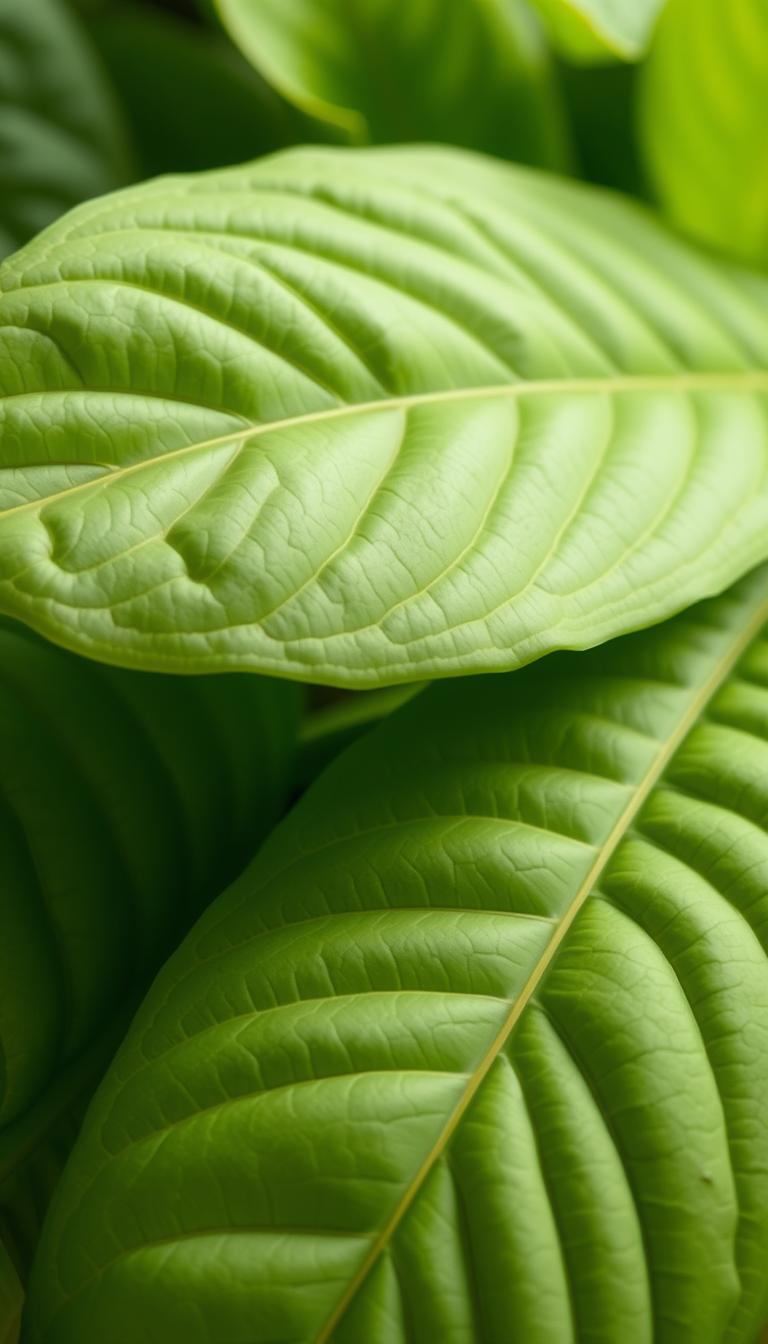
Many pet owners spot ribwort growing near grassy areas but don’t realize it’s a healthy snack for their fluffy companion. This leafy green, recognized by its stringy veins and tall flower stems, often blends into lawns unnoticed. You might know it as “nature’s bandage” due to its traditional uses, but its benefits for small animals are equally impressive.
Plantago species offer digestive support and essential nutrients that complement a balanced diet. The thick leaves provide roughage similar to hay, helping maintain gut motility. Introduce it gradually to avoid overwhelming sensitive stomachs, and always wash leaves thoroughly to remove pesticides.
Curious pets often nibble on these greens during outdoor playtime, showing their natural preference for fibrous plants. Rotate it with other safe weeds like dandelion greens to keep meals exciting. Later sections will detail how to identify fresh growth and create tasty foraging mixes your furry friend will adore.
Table of Contents
Understanding Rabbit Nutrition Basics

Proper nutrition forms the foundation of your furry friend’s vitality and longevity. Their unique biology thrives on specific combinations of roughage, vitamins, and minerals found in nature. Let’s explore what keeps their systems running smoothly.
Key Nutritional Needs for Rabbits
A balanced meal plan for your pet revolves around two main components:
- Unlimited grass hay (timothy or orchard varieties work best)
- Daily measured portions of fresh vegetables and herbs
High-quality hay wears down constantly growing teeth while providing indigestible fiber that stimulates gut movement. This roughage prevents dangerous digestive slowdowns that could lead to serious health issues.
The Importance of Fiber and Greens
Leafy vegetables offer more than just hydration. They deliver:
- Soluble fiber for healthy gut bacteria
- Vitamin A for immune support
- Natural antioxidants for coat health
Rotate different greens weekly to provide nutritional variety. Always introduce new items slowly to avoid tummy upsets – their delicate systems need time to adjust.
Can Rabbits Eat Plantain Safely?

Wondering if those broad leaves in your yard make a good snack? Plantain ranks among rabbit-safe greens when prepared properly. Both narrow and broad-leaf varieties offer nutritional value, but smart feeding practices ensure your fluffy companion stays healthy.
Smart Feeding Practices for New Greens
Start with thumbnail-sized portions of fresh leaves once weekly. Their sensitive digestive systems need gradual exposure to unfamiliar foods. Always pick leaves from untreated areas – roadside plants often carry harmful chemicals.
Scrub each leaf under cool water, rubbing gently to remove hidden dirt. Pat dry before serving to prevent moisture-related tummy troubles. Observe your pet closely during initial feedings, tracking any changes in energy levels or litter box habits.
Dried plantain makes a great winter alternative. Spread clean leaves on a baking sheet and air-dry for 48 hours. Store in airtight containers away from sunlight to preserve nutrients. Rotate this green with other favorites like romaine lettuce for dietary variety.
If your furry friend shows disinterest, try mixing shredded leaves with their regular herbs. Most bunnies develop a taste for plantain’s earthy flavor within 2-3 weeks. Always consult an exotic vet if you notice loose stools or reduced appetite after introductions.
Exploring Different Varieties of Plantain

Two common varieties of this leafy green might already be growing in your backyard. While they share similar benefits, their appearances offer clues for safe identification.
Spotting the Distinct Features
Narrow leaf plantain (Plantago lanceolata) stands out with spear-shaped foliage. You’ll recognize it by slender leaves stretching 4-12 inches long, marked by parallel veins resembling tire tracks. Its nickname “ribwort” comes from these pronounced ridges.
The broad leaf variety (Plantago major) sports rounded, egg-shaped leaves. Though shorter and wider, it shares the same vein pattern and produces identical flower spikes on tall stems. Both types thrive in lawns and garden edges across North America.
Here’s what matters most for your pet’s plate:
- Nutritional profiles are nearly identical between species
- Fibrous texture supports dental health and digestion
- Flower stems indicate mature plants but aren’t harmful
Some owners report their bunnies favor the slightly crunchier texture of narrow-leafed types. Others find their pets happily munch both varieties. Whether fresh-picked or sun-dried, these nutrient-rich greens make excellent additions to hay-based diets year-round.
Nutritional Benefits of Plantain for Your Bunny

Hidden in plain sight, those broad backyard leaves offer a treasure trove of nutrients for small pets. Packed with vitamin A, plantain supports your fluffy friend’s vision and immune system. While bunnies produce their own vitamin C, the natural antioxidants in these greens add an extra layer of wellness.
The real magic lies in the crunchy texture and high fiber content. Roughage from fresh leaves keeps digestive systems moving smoothly, reducing risks of gut slowdowns. This natural broom sweeps through their intestines, preventing blockages that sometimes trouble sensitive herbivores.
Chewing fibrous plantain also acts as nature’s toothbrush. The abrasive action files down constantly growing molars while stimulating saliva production. Many owners notice fewer dental issues when these leaves become a regular snack.
Beyond physical benefits, the varied texture encourages natural foraging behavior. Tearing apart veiny leaves provides mental stimulation, turning mealtime into an engaging activity. Rotate different parts of the plant – younger leaves offer tenderness, while mature ones challenge those chompers!
How to Integrate Plantain into a Balanced Rabbit Diet
Introducing novel foods to your fluffy companion’s meals demands patience and precision. Their delicate digestive systems thrive on consistency, making gradual transitions essential for maintaining gut harmony. Begin by selecting young, tender leaves from pesticide-free areas to ensure safety and optimal nutrient content.
Gradual Introduction of New Greens
Start with one or two fresh leaves mixed into their usual vegetable selection. Observe for 24 hours – normal energy levels and consistent droppings signal successful adaptation. Increase portions slightly every three days until it becomes a regular part of their greens rotation.
Limit this leafy addition to 10-15% of daily vegetable intake. Pair it with staples like romaine lettuce or herbs to create diverse meals. When rotating options like spinach (learn more about safe quantities here), you maintain nutritional balance while preventing boredom.
Some pets might initially reject the earthy taste. Try hand-feeding small pieces or blending shredded leaves into their favorite herbs. Persistent refusal could indicate personal preference – respect their choices while offering alternatives. Always prioritize unlimited hay access, as fibrous roughage remains the cornerstone of healthy digestive function.
Foraging Tips: Identifying Rabbit-Safe Plants in Your Yard

Your backyard could be a treasure trove of nutritious greens waiting to be discovered. Learning to spot safe options among common plants lets you create diverse meals while bonding with nature. Start by scanning untreated grassy areas – these often host edible varieties perfect for small herbivores.
Spotting Nature’s Salad Bar
Look for oval leaves with parallel veins resembling railway tracks – a telltale sign of plantain. These hardy greens thrive near walkways and in compacted soil, often mingling with dandelions and clover. Early morning dew makes their flower spikes glisten, helping you locate them quickly.
| Plant | Leaf Shape | Key Feature | Growing Zones |
|---|---|---|---|
| Plantain | Oval/Spear | Parallel veins | 3-9 |
| Dandelion | Jagged | Yellow flowers | 3-10 |
| Clover | Rounded | Three leaflets | 4-9 |
Always harvest from chemical-free areas – roadside plants might carry pollutants. Mix different greens to provide varied textures and nutrients. Pair plantain with chickweed or bramble leaves for an exciting foraging basket.
New foragers often confuse plantain with similar-looking plants. Remember: safe options lack milky sap and have simple flower structures. When in doubt, snap a photo and compare it with trusted gardening apps before serving.
Best Practices for Preparing Plantain for Your Rabbit
Preparing nutritious greens for your furry friend requires attention to detail and proper technique. Whether serving them straight from the garden or preserving for colder months, these methods ensure your pet gets the most from nature’s offerings.
Fresh Feeding vs. Drying Methods
Fresh leaves burst with nutrients but need careful handling. Rinse them under cool water, gently rubbing surfaces to remove hidden dirt. Pat dry with a clean towel – excess moisture can upset delicate stomachs. Younger growth tends to be more tender and easier to digest.
For long-term storage, try air-drying:
- Harvest mature leaves during summer’s peak
- Spread in single layers on mesh screens
- Keep in shaded, well-ventilated spaces for 3-5 days
| Preparation | Storage | Benefits |
|---|---|---|
| Washed fresh | Refrigerate 3-5 days | Maximum vitamins |
| Air-dried | Airtight jars (6+ months) | Winter nutrition boost |
Some pets prefer the crunch of dried foliage, while others like fresh textures better. Rotate both forms to keep meals exciting. Always check for discoloration or mold – toss questionable pieces immediately.
“Proper preservation locks in nutrients while maintaining safe feed fresh standards year-round.”
When introducing new formats, start with small portions mixed into familiar greens. For more safe feeding practices, explore our detailed seasonal feeding guide. Remember – variety and vigilance create the healthiest menu!
Understanding the Role of Fiber in Rabbit Gut Health
Your fluffy friend’s digestive system works like a finely tuned engine – it needs the right fuel to avoid dangerous stalls. The secret lies in nature’s broom: fibrous greens that sweep through their complex intestines.
Nature’s Defense Against Digestive Shutdown
Two types of fiber team up to keep things moving. Soluble fiber feeds beneficial bacteria, while insoluble fiber adds bulk to waste. Leafy greens provide both, creating a balanced environment where helpful microbes thrive.
Mature leaves offer particularly effective roughage. Their tough texture stimulates gut contractions better than softer foods. This natural massage prevents food from lingering too long – a key factor in avoiding stasis.
“Varied fiber sources act like personal trainers for your pet’s digestive muscles.”
Tannins in certain greens play backup. These compounds help:
- Reduce harmful bacterial overgrowth
- Strengthen intestinal lining
- Maintain proper pH levels
Rotate different leaf types weekly. Pair ribbed greens with smoother varieties to challenge those grinding teeth. Always monitor droppings after introducing new options – ideal pellets should resemble uniform, dry marbles.
Seasonal Considerations for Rabbit Diet Adjustments
As temperatures drop, your furry companion’s menu needs thoughtful tweaks to match nature’s rhythm. While fresh greens thrive in warmer months, cold weather calls for creative solutions to maintain nutritional balance. Discover how to preserve summer’s bounty for year-round nibbling.
Incorporating Greens During Cold Months
Dried plantain leaves become a winter staple, offering familiar flavors when snow blankets foraging spots. Air-dry young leaves during summer peaks – their concentrated nutrients provide a wholesome supplement to daily hay. Store crispy greens in sealed jars away from moisture to retain freshness.
Rotate preserved greens with other dried herbs to prevent mealtime boredom. Mix a pinch of crumbled leaves into hay piles for exciting texture variety. Pair these with root vegetables like grated carrot for a balanced cold-weather plate.
Always maintain hay as the diet cornerstone, even when introducing stored greens. For more natural feeding strategies, explore techniques used by experienced breeders. Observe your pet’s preferences – some enjoy rehydrated leaves sprinkled over meals, while others prefer crunchy pieces as standalone treats.


