Table of Contents
Looking to fill your coop with a new brood of chicks?
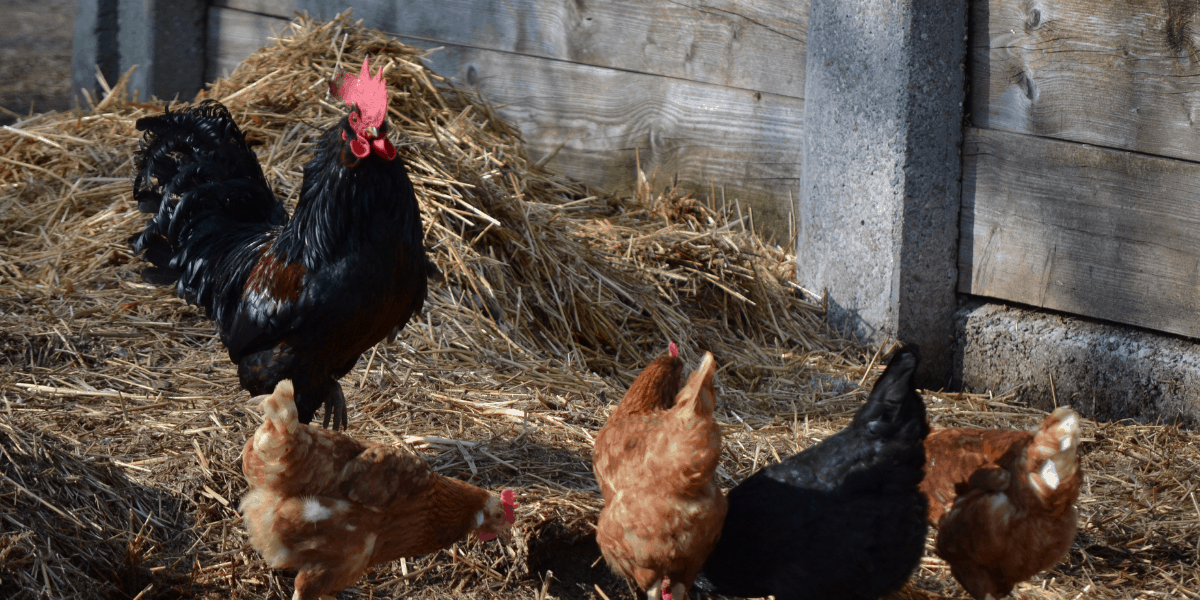
Both newbie hen keepers and veterans getting back in the saddle will need to populate their backyard with a suitable number of fluffy friends. Your options for buying backyard chickens range from anything between a clutch of eggs and retired caged hens from a commercial farm.
For poultry keepers who are set on raising their chickens from newly hatched eggs, a straight-run could prove a cost-effective way of getting your hands on some chicks. Read on for all you need to know about straight run chicken, the benefits of ordering a straight run, and the potential pitfalls.
What is a straight-run chicken?
A straight run is simply a selection of chicks that have not been sexed and usually include both male and female chicks. Straight run chicks can be any breed, you are simply buying these chicks as hatched. The breeders simply grab these little ones and send them straight over to you.
How are chicks sexed?
Chick sexing is a routine task undertaken by hatcheries to determine if day-old chicks are male or female. These varied methods are omitted for customers ordering a straight-run. Depending on whether the day-old chicks are coming from a hatchery or commercial facility the methods used may include:
- Vent sexing
This involves a by-hand examination of the chicks vent by the hatchery staff. The poop is squeezed out of the chick’s vent which exposes a prominent eminence (genital organ) in males. Watch the experts in action with this helpful video:
- Colour sexing
Colour sexing takes advantage of some sex-linked coloration features on the chick that can be readily identified by the hatchery. Examples include a silver/gold gene that makes males lighter in color. There are also some auto-sexing breeds of chicken with a pale head spot being prominent in males.
- Feather sexing
There are also sex-linked feathering genes that can produce distinct differences in the feathering of male and female chicks in the first days of life.
Sexing chicks is hard work on a hatchery!
Selling straight runs is easier on breeders and hatcheries as they do not have to go through the fuss of sexing the chicks themselves. This is why they pass on the savings in time and hassle to you in the form of a significant discount on the costs of your chicks.
Other benefits of choosing straight-run chicks.
Aside from the cheaper costs, there are other advantages to letting nature choose the sex of the chicks you will raise:
- Variety is the spice of life: some owners appreciate raising a mix of males and females rather than a flock that is all hens.
- Males will protect your flock: You can let your guard down with some cockerels in your yard as they will be continually vigilant and protect the flock from predators.
- Breed your own chickens: If you want to breed chickens you will need some males to do their duty so the eggs can be fertilized for incubation.
- Raise meat and eggs for your household: Poultrykeepers who want to raise meat birds as well as laying hens can raise the males for this purpose.
- Straight runs are often the only way to get hold of rare breed eggs: Smaller breeders may insist on you purchasing a straight-run.
Buyer beware! There are some downsides to straight-run chicken.
Most backyard chicken owners are looking for hens to lay eggs. This is the predominant market for day-old chicks and often means that the males are euthanized in large numbers.
Male chicks will grow into cockerels which can be demanding, aggressive and noisy birds to own. In some areas, you are restricted from owning roosters within the city limits!
Keeping roosters will place different priorities and demands on the handling of a flock, meaning that many owners opt for females only.
With a straight run, you are buying what comes out of the egg. You may have all females, a mix of males and females, or all males and you need to be prepared for that.
Remember you cant take your chicks back to the hatchery and demand a refund. This is why people often pay more money to buy pullets which are definitely female or female sexed chicks.
Straight run chicks are a bit of a lottery.
So by purchasing a straight-run, you are really taking your chances. At a large scale, the hatching ratio of eggs will be a 50-50 ratio of males to females, but for your particular brood any sex could turn up.
Rounding up.
Buying straight-run chicks is only going to work out if you don’t mind whether you raise males or females or are ordering large numbers of chicks.
If the mix of your straight run doesn’t work out for you you can always rehome some of the young cockerels or hens or raise them for meat.