

When offering new foods to your small pet, questions about safety and nutrition naturally arise. While many vegetables make great treats, not all are suitable for every species. Understanding what works for your furry companion requires knowing their unique needs and how different foods affect them.
Radishes can be part of a balanced diet for some pets, but variety matters. With over 20 wild species and five common domesticated types, each has distinct dietary tolerances. Mild radish varieties like daikon or watermelon radish are generally safer than spicy options, which may cause digestive upset.
Before sharing veggies from your kitchen, consider factors like portion size and preparation. Fresh produce should always be washed thoroughly, and introductions should be gradual. For alternatives to radishes, explore safe options like sprouts, which provide similar crunch without strong flavors.
This guide will help you navigate the essentials of feeding root vegetables responsibly. You’ll learn how to balance treats with staple foods and recognize signs of overfeeding. By the end, you’ll feel empowered to make choices that support your pet’s health and happiness.
Table of Contents
Understanding Your Hamster’s Dietary Needs

Feeding your small companion requires knowing their unique biological needs. Unlike their wild relatives, domesticated pets thrive on carefully planned meals that mimic natural foraging while preventing health risks.
The Basics of a Balanced Diet
Wild counterparts scavenge for seeds, grains, and occasional insects, but captive pets need controlled nutrition. High-quality commercial pellets should form 80% of daily intake, providing essential vitamins and minerals. Supplement with small portions of fresh produce like carrot slices or apple pieces twice weekly.
| Diet Component | Wild Hamsters | Domesticated Pets |
|---|---|---|
| Primary Food | Grains & Insects | Commercial Pellets |
| Treat Frequency | Daily Foraging | 2-3 Times Weekly |
| Water Source | Plants & Dew | Fresh Bottled Water |
Why Variety Matters
Rotating between safe fruits, vegetables, and seeds prevents boredom and nutrient gaps. Syrian types handle sweeter snacks better than dwarf species due to differing metabolisms. Always introduce new items gradually – sudden changes can upset delicate digestive systems.
Remember: Treats should never exceed 10% of total food intake. Pair variety with consistency by maintaining regular feeding times and portion sizes tailored to your pet’s age and activity level.
Exploring the Nutritional Benefits of Radishes
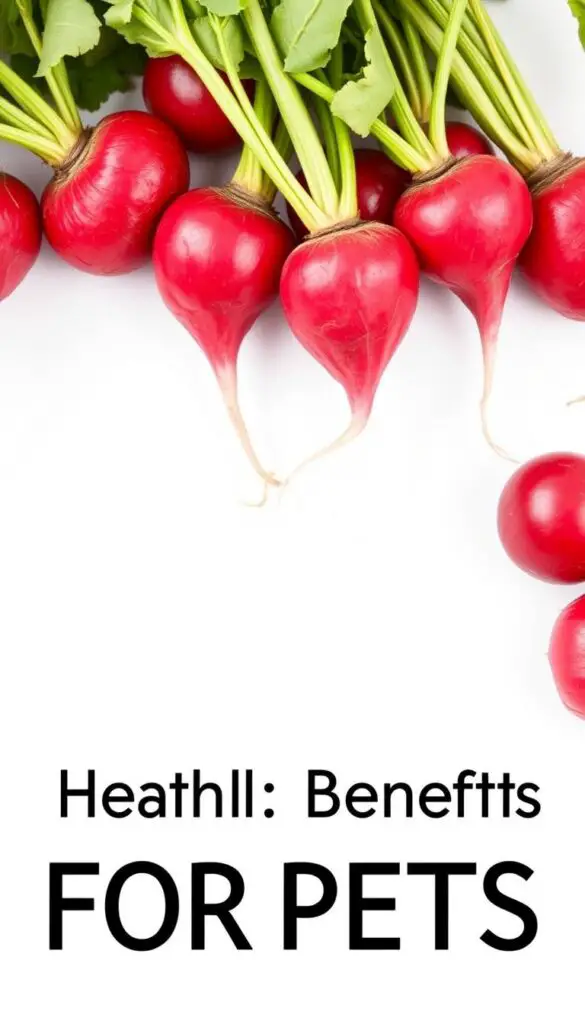
Nutrient-rich snacks can boost your pet’s health when chosen wisely. These crunchy root vegetables pack surprising value in small servings, offering essential compounds that support overall wellness.
Key Vitamins, Minerals, and Fiber
Every bite delivers vitamin C (27% daily value per 100g) to strengthen immunity. Vitamin B-6 maintains healthy fur and nerve function, while calcium and vitamin K team up for sturdy bone development.
| Nutrient | Benefit | Per 100g |
|---|---|---|
| Magnesium | Enhances calcium absorption | 10mg |
| Folate | Supports cell growth | 25µg |
| Fiber | Aids digestion | 0.6g |
Hydration and Low-Calorie Advantages
With 95% water content, these veggies help keep your friend hydrated. They’re perfect for weight management too – only 18 calories per 100g!
“High-water vegetables help maintain hydration without extra calories,”
The low sugar content (2.3g) makes them safer than sugary fruits. Pair thin slices with regular meals for a balanced approach that maximizes benefits without overloading tiny stomachs.
Can Hamsters Eat Radishes

Wondering if that crunchy root vegetable in your fridge makes a good snack? The answer depends on your pet’s species and the radish variety you choose. While many furry friends enjoy the texture, safety hinges on biological factors and preparation methods.
Most species can nibble mild radishes like daikon without issues. Their crispness provides mental stimulation during chewing, and the high water content helps with hydration. Smaller portions work best – think pea-sized pieces twice weekly.
Not all types handle this veggie equally. Syrian and Roborovski varieties often digest it well, while dwarf breeds may experience bloating. Spicy radishes should always be avoided, as their intense flavor can irritate sensitive stomachs.
Owners who introduce this treat properly report positive results. Start with a tiny slice once a week, observing for changes in energy or digestion. Pair with their regular pellet diet to maintain nutritional balance.
“Moderation transforms potential risks into beneficial variety,”
Remember: Freshness matters most. Always wash thoroughly and remove any wilted leaves before serving. When chosen wisely, these root veggies become a fun addition to your companion’s menu rotation.
Species-Specific Guidelines for Feeding Radishes

Tailoring treats to your pet’s biology ensures both safety and enjoyment. Different types have varying capacities to process certain vegetables, making species awareness crucial when introducing new foods.
Syrian and Roborovski Hamsters
Larger species like Syrians handle mild root vegetables best. Offer 1-2 thin raw slices twice weekly – their robust digestive systems manage natural sugars effectively. Roborovskis thrive with similar portions but limit servings to three times monthly for optimal balance.
| Species | Portion Size | Frequency | Notes |
|---|---|---|---|
| Syrian | 2 thin slices | 2x weekly | Use daikon or watermelon varieties |
| Roborovski | 1 small slice | 1-3x monthly | Monitor for loose stools |
| All Dwarf Types | None | N/A | High risk of digestive issues |
Why Smaller Breeds Need Caution
Campbell’s, Winter White, and Chinese varieties lack enzymes to break down radish compounds effectively. Even tiny amounts can cause bloating or diarrhea due to their sensitive systems. High sugar content (2.3g per 100g) poses particular risks for these pocket-sized pets.
Owners often mistake dwarf species for miniature Syrians, but their nutritional needs differ dramatically. Stick to low-acid veggies like zucchini or cucumber slices instead. When in doubt, consult an exotic vet about your specific pet’s requirements.
“Species determines safety – never assume all furry friends share the same dietary rules,” advises Dr. Emily Sanders, rodent nutrition specialist.
Safe Preparation and Introduction of Radishes

Preparing snacks safely transforms kitchen veggies into healthy treats. Whether you’re serving root vegetables or safe fruits like apples, proper handling ensures your pet enjoys every bite without risks.
Proper Washing and Slicing Techniques
Thorough cleaning removes hidden dangers. Follow these steps:
- Rinse under cool water for 30 seconds
- Soak in vinegar solution (1:3 ratio) for 5 minutes
- Scrub gently with a vegetable brush
- Pat dry before slicing
Cut radishes into paper-thin pieces – no thicker than a sesame seed. For Syrians, two matchstick-sized slices work well. Roborovskis need half that amount.
Introducing New Foods Gradually
Start with a rice-sized portion once weekly. Watch for these signs during the first month:
- Consistent energy levels
- Normal stool texture
- No food avoidance
If your furry friend ignores the offering, remove it within two hours. Rotting veggies attract bacteria. Never force-feed – patience prevents stress.
“A 14-day trial period helps identify sensitivities,” notes Dr. Linda Carter, exotic animal veterinarian.
Successful introductions balance curiosity with caution. Stick to the 10% treat rule, pairing new foods with trusted staples for lasting health.
Potential Health Risks and Overfeeding Concerns
Even nutritious snacks can backfire if portions spiral out of control. While radishes offer hydration and vitamins, their natural sugars and acidity demand careful management. Tiny stomachs process foods differently than ours, making moderation key to avoiding trouble.
Too many radish slices may lead to digestive upset – watch for diarrhea or unusual lethargy. High sugar content (2.3g per 100g) strains small metabolisms, raising risks of obesity and diabetes over time. Bloating and constipation often appear first, signaling it’s time to reduce quantities.
Look for these red flags after introducing the veggie:
- Watery stools lasting over 24 hours
- Reduced interest in regular meals
- Unusual hunching or fur-pulling
Syrian breeds handle occasional treats better than dwarf types, but no species thrives on daily servings. Stick to rice-sized portions weekly, paired with their staple pellet diet. Rotate with lower-sugar veggies like cucumber to maintain variety without risks.
“One extra gram of sugar is like a human eating six candy bars – scale matters,” warns Dr. Rachel Torres, small animal nutritionist.
Balance curiosity with caution. Track your pet’s reactions meticulously, adjusting their menu at the first sign of discomfort. When managed wisely, these crunchy veggies become a safe occasional delight rather than a health hazard.
Radish Leaves and Dried Radish: What You Need to Know
Expanding your pet’s snack options? Those vibrant green tops and dehydrated root slices deserve special attention. While they offer unique benefits, proper handling ensures safety for tiny tummies.
Nutritional Content of Radish Greens
Radish leaves pack more vitamin C than the root itself – perfect for boosting immunity. Their antioxidant content helps fight cell damage, while fiber supports healthy digestion. These greens also deliver calcium for strong bones and iron for sustained energy.
Precautions with Dried Radish Treats
Dehydrated slices concentrate natural sugars, requiring extra portion control. Syrian and Roborovski types might enjoy a rice-sized piece weekly if introduced slowly. Dwarf varieties should skip this snack entirely due to higher diabetes risks.
Always choose organic greens to avoid pesticide residue. Wash thoroughly and pat dry before serving fresh leaves. For dried options, skip store-bought versions with added salt or preservatives. A balanced approach keeps treat time both safe and exciting!