
Curious about expanding your small pet’s snack options? Many owners wonder about sharing summer fruits like watermelon with their tiny friends. While the juicy flesh is occasionally permissible in moderation, the tougher outer layer demands extra caution.
These pocket-sized companions have sensitive digestive systems. Introducing new foods requires balancing nutritional value with potential risks. Watermelon offers vitamins and hydration, but its high sugar content means even small portions matter. A raisin-sized piece once weekly is plenty for most breeds.
Before offering any part of this fruit, remove seeds and monitor portion sizes closely. The rind’s fibrous texture poses unique challenges compared to the fleshy interior. Our detailed guide on watermelon flesh safety explains proper preparation techniques for the red fruit portion.
This article explores the science behind safe snacking, including expert tips for minimizing health risks. You’ll discover how to identify quality produce, prepare treats correctly, and recognize signs of digestive discomfort. Knowledge empowers you to make caring choices for your companion’s well-being.
Table of Contents
Understanding Hamster Nutritional Needs
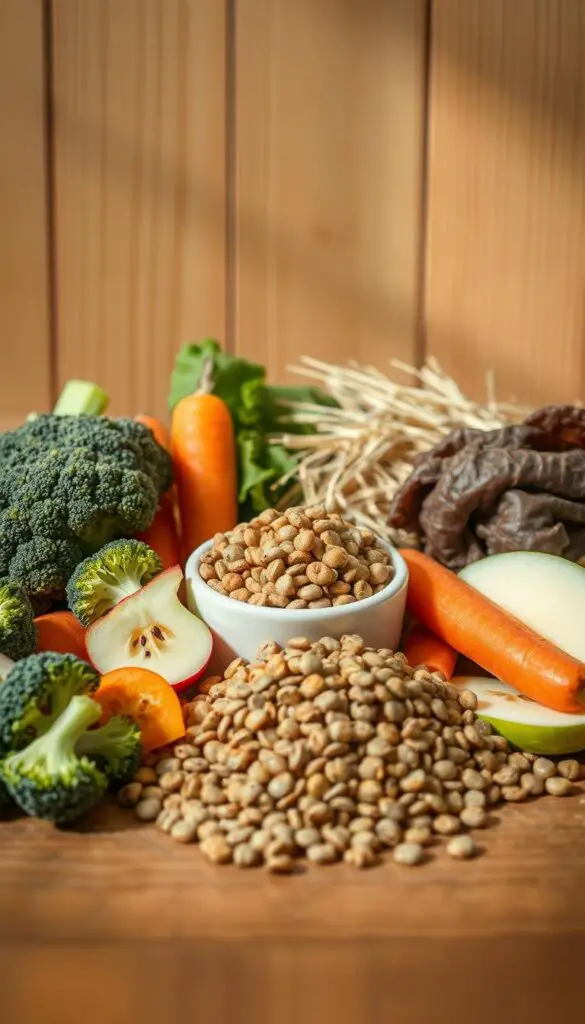
Balancing meals for pocket-sized companions requires precision. These energetic creatures thrive on carefully measured combinations of nutrients tailored to their size and activity levels. Commercial pellets should form 80-90% of their daily intake, as recommended by veterinary nutritionists.
Essential Building Blocks for Vitality
A robust diet combines 16-24% protein for muscle development, alongside complex carbs for energy. Healthy fats like those found in flaxseed support skin and coat health. Fresh greens and occasional insects mirror their natural foraging habits while providing enrichment.
Age-Specific Meal Planning
Youngsters and breeding adults need 25% more protein than seniors. Dwarf varieties often require lower-sugar options compared to Syrian counterparts. Always introduce new items like sprouts gradually to monitor tolerance.
Portion control remains critical – overfeeding even healthy foods can lead to obesity. A teaspoon of fresh produce daily suffices for most adults. Pair this approach with constant access to clean water for optimal digestion.
Benefits of Watermelon and Its Rind
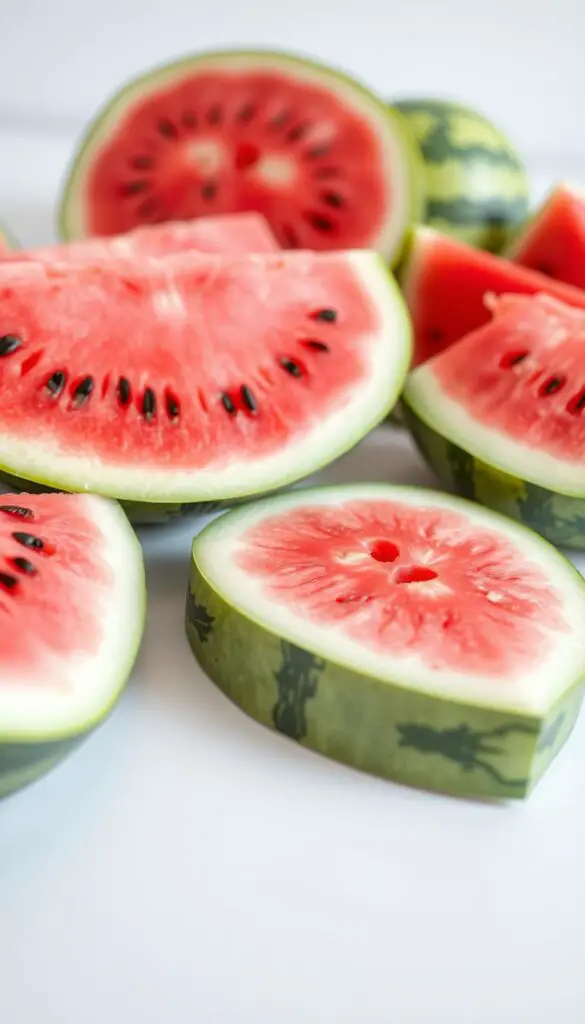
Exploring nutrient-rich snacks can enhance your pet’s diet when done thoughtfully. The green-white outer layer of summer fruits offers surprising advantages beyond basic nutrition. Let’s break down how these components work together to support vitality.
Vitamins and Minerals in the Outer Layer
The pale portion beneath the striped skin packs concentrated vitamins and minerals. Vitamin A maintains sharp vision and glossy fur, while vitamin C strengthens natural defenses. Potassium in these sections helps regulate fluid balance and muscle function.
Fiber content supports smooth digestion but requires gradual introduction. Antioxidants like lycopene may reduce cellular stress, though research in small pets remains limited. Always remove pesticide residues by scrubbing thoroughly before serving.
Hydration Through Juicy Treats
While the red flesh shines for moisture content (92% water), it’s best reserved for occasional summer snacks. The crisp texture encourages natural chewing behaviors while delivering hydration. Pair these treats with regular meals to maintain balanced health.
Remember: nutrient density varies between fruit sections. The outer layer contains more fiber but less liquid than the sweet center. Moderation remains key—even beneficial foods can disrupt delicate digestive systems when overfed.
Risks and Considerations with Watermelon Rind
While the pale outer layer of summer fruits might seem harmless, its unique texture and composition require careful evaluation. Tiny pets have specialized dietary needs that demand attention to detail when introducing unconventional snacks.
Identifying Potential Digestive Concerns
The rind’s dense fiber content can overwhelm delicate systems if served in large amounts. Some pets may experience loose stools or diarrhea during initial introductions. Always:
- Cut pieces smaller than a sunflower seed
- Remove residual pesticide traces through vigorous scrubbing
- Monitor for bloating or appetite changes
Breed-specific sensitivities matter too. Dwarf varieties often struggle more with fibrous foods than their Syrian counterparts. Choking risks increase when pieces exceed mouth capacity – slice vertically along natural ridges for safer nibbling.
Managing Excess Sugar Intake
Though less sweet than the red flesh, the white-green layer still contains natural sugar. For diabetes-prone breeds like Campbell’s dwarfs, even minimal quantities can trigger issues. Consider these guidelines:
- Limit treats to 1-2 weekly slivers
- Balance with low-sugar veggies like zucchini
- Track total daily sweet intake
Remember that hydration from watery foods combines with fiber to intensify digestive effects. If you notice soft stools or lethargy after feeding, pause treats and consult an exotic veterinarian. Moderation remains the golden rule for keeping your tiny companion thriving.
How to Safely Introduce Watermelon Rind
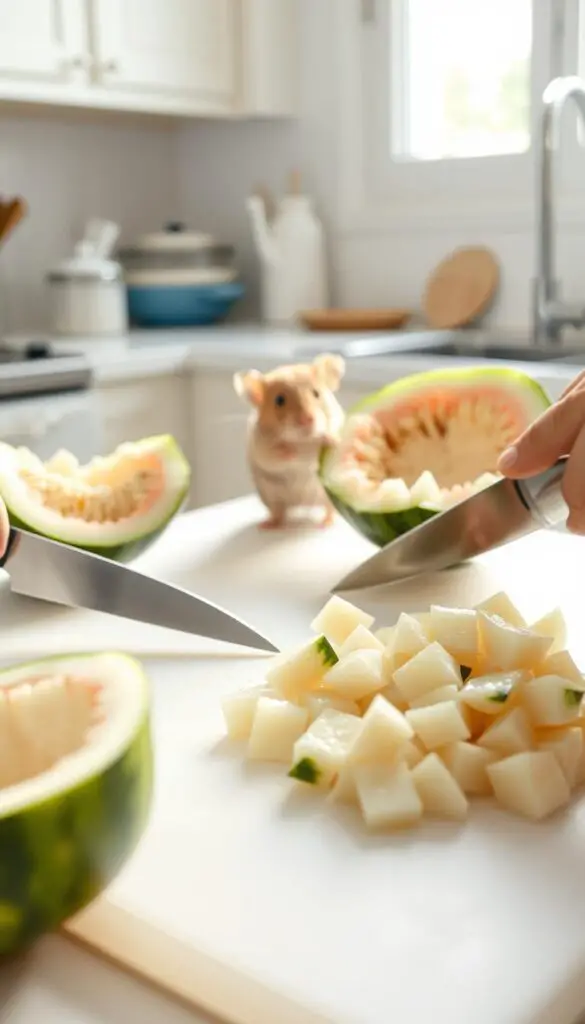
Adding novel treats to your pet’s menu demands thoughtful preparation. Proper techniques ensure their tiny bodies adapt smoothly while minimizing digestive surprises. Let’s walk through the safest methods for offering this fibrous snack.
Step-by-Step Preparation Guide
Start with organic produce to reduce chemical exposure. Scrub the exterior vigorously under running water—a vegetable brush helps remove hidden dirt. Pat dry with a clean towel before slicing.
- Remove every seed using tweezers or a paring knife (even tiny ones pose risks)
- Slice the pale inner layer into slivers no thicker than a toothpick
- Offer a rice-sized portion during morning feedings for easy monitoring
Introduce the new food every third day for two weeks. Watch for changes in stool consistency or energy levels. Store unused pieces in an airtight container—refrigerated slices stay fresh for 48 hours max.
Pair these treats with their regular pellets to maintain nutritional balance. If your furry friend shows interest, gradually increase to pea-sized portions weekly. Remember: variety matters, but their primary diet should always come first.
Determining the Right Serving Size

Portion control becomes an art form when feeding miniature companions. Their rapid metabolism and tiny stomachs demand precision to maintain optimal health. Let’s explore practical methods for measuring snacks that keep your furry friend thriving.
Smart Measurement Strategies
Syrian varieties can handle pieces resembling uncooked rice grains – about ¼” square. For dwarf breeds, halve that size to match their smaller frames. Use everyday references like:
- A raisin’s width for adult Syrians
- Your pinky nail’s edge for juvenile dwarfs
- Half a pea’s volume for senior pets
Limit these fibrous snacks to twice weekly maximum. Track all treats in a feeding journal – including veggies and fruits – to prevent exceeding 10% of total food amounts. Active youngsters might handle slightly larger portions than less mobile counterparts.
Adjustments prove essential for individual needs. Underweight pets may benefit from extra nibbles, while overweight ones require stricter limits. Always consult an exotic vet when changing dietary routines – their expertise helps tailor plans to your companion’s unique requirements.
“Treats should complement – not replace – balanced meals. Think of them as sprinkles on a well-made cake.”
Consistency prevents digestive upsets. Use a kitchen scale for accuracy if uncertain – 0.5 grams weekly suffices for most adults. Remember: steady routines build trust and wellbeing better than erratic indulgences.
Integrating Watermelon Rind into a Balanced Diet
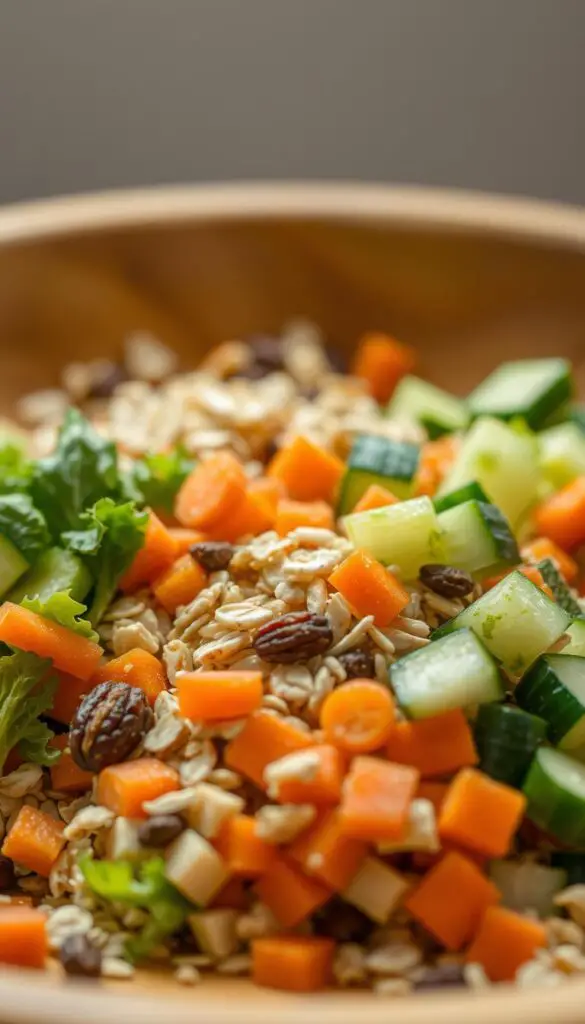
Creating a nutritious menu for your tiny companion means prioritizing their core diet first. Commercial pellets provide essential vitamins and minerals that fibrous treats can’t match. Follow the 80/20 guideline: four-fifths of their meals should come from quality hamster food, leaving just 20% for fresh nibbles.
Rotate watermelon rind with other safe options like cucumber slices or steamed broccoli. This variety prevents boredom and ensures diverse nutrient intake. For Syrian hamsters, pair the rind with protein-rich mealworms twice weekly. Dwarf breeds do better with smaller portions mixed into their regular feed.
Adjust main meal sizes when adding treats to avoid overfeeding. If you offer a fingernail-sized rind piece, reduce their evening pellets by 10%. Track weekly intake using this simple schedule:
- Monday: Carrot shavings
- Wednesday: Apple slice (seedless)
- Saturday: Watermelon rind sliver
“A weekly rotation keeps meals exciting while maintaining nutritional balance.”
During summer months, swap the rind with seasonal veggies like zucchini for consistency. Always rinse produce thoroughly – residual pesticides harm small bodies faster than larger pets. Remember: moderation protects their delicate digestion while allowing safe exploration of new textures.
Comparison: Watermelon Rind vs. Other Fresh Foods
Choosing the right snacks for your furry friend involves understanding how different options stack up nutritionally. Let’s explore how this fibrous treat compares to popular fruits and veggies in a tiny pet’s diet.
Fruit Showdown: Fiber vs. Sugar
Blueberries and apples provide more antioxidants than watermelon rind but contain higher natural sugars. Strawberries offer vitamin C boosts, while melon pieces share similar hydration benefits. For low-sugar alternatives, consider peaches or nectarines (properly pitted) – these stone fruits balance fiber with gentler sweetness.
Vegetable Powerhouses
Broccoli outshines most snacks in vitamin K content, supporting bone health. Carrots deliver beta-carotene for eye function, and peas pack protein. While watermelon rind provides modest potassium, it lacks the calcium found in leafy greens like kale. Rotate these vegetables to create varied meal plans.
Hydration Heroes
Cucumber slices and watermelon rind both supply moisture, but their textures serve different purposes. The crisp green veggie works well for daily nibbles, while the pale fruit layer makes an occasional chew toy. Pair either with dry pellets to maintain dental health.
Always prioritize foods your pet naturally enjoys while introducing new items slowly. Track reactions to each treat – happy nibbling leads to thriving companions!