
As long as they are similar in size, canaries and finches can indeed live together. If any birds are larger than the others, however, fighting becomes a real risk.
It’s also important to provide multiple, species-specific sources of food and water!
Table of Contents
About Canaries
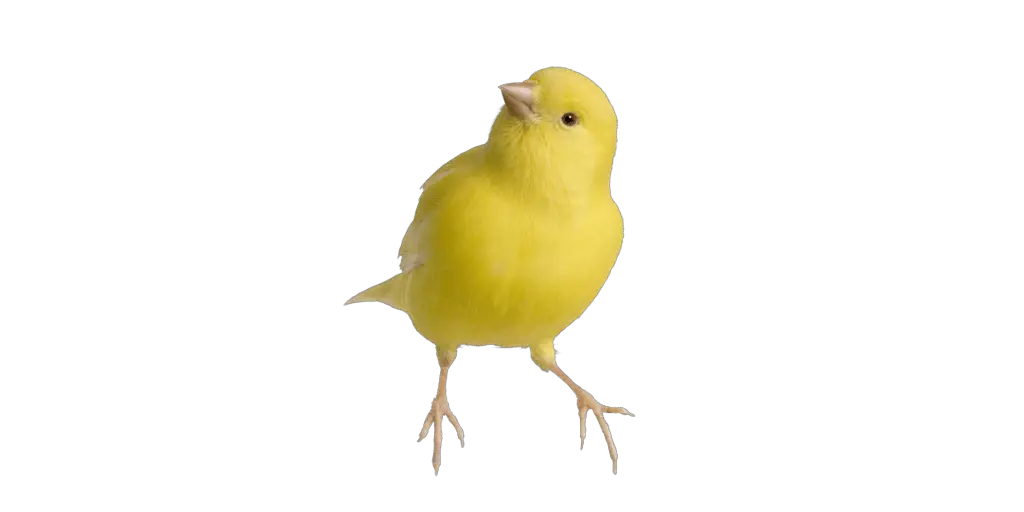
Like Finches, canaries are quite small, at only 3-5 inches in size on average. They come in a few lovely breeds, including the Harz Roller Canary, the Factor Canary, the Spanish Timbrado, the Lizard Canary, and the Australian Plainhead Canary, to name a few of the most popular.
The Red Factor Canary is holly-berry red, while the Lizard Canary has a pattern that looks a lot like scales, giving them a particularly unique look.
Temperament-wise, canaries tend to be rather shy and timid. If they are paired with larger, more outgoing birds, bullying is a real risk. This is why pairing finches and canaries of a similar size is more important than ever!
Canaries eat primarily millet, as well as rapeseed, linseed, lettuce seeds, liger seeds, oat seeds, and flax.
About Finches
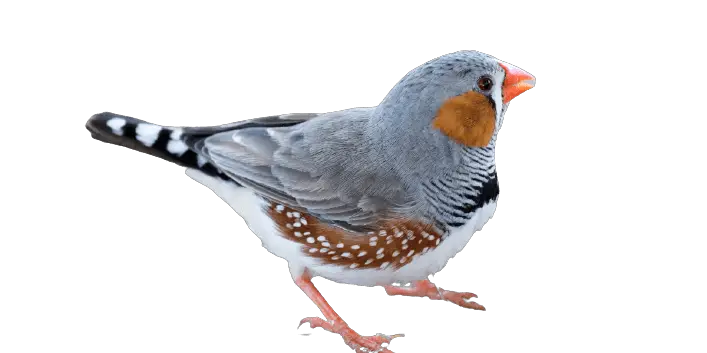
Finches are some of the smallest birds out there, averaging anywhere between 3.5-10 inches in size. There are many different kinds of finches, and among bird watchers and bird keepers alike, they are quite popular.
This is thanks to their lively, intelligent personalities, as well as how they look.
Some of the most commonly-kept finches are the Gouldian, the Zebra, the Java, the Plum-Headed, the Bar-Throated, the Parrot, the Strawberry, the Diamond Firetail, and the Star.
The Gouldian Finch is beloved for its unique rainbow color. The Zebra Finch is striped, like its namesake, with peachy-orange cheek patches and a bright orange beak.
Finches are very active little birds, and fun to watch going about their business, as they nap, sing, court a mate, bicker mildly or stop for a snack.
Finches are primarily seed-eaters, and milo seeds, millet seeds, and sunflower seeds are just a few they favor!
Can Canaries and Finches Live Together?
As a matter of fact, Canaries and Finches can, indeed. live together! Both of these bird species are fairly peaceable in general, so they tend to get along ok. To give them the best chances for peaceful cohabitation, however, there are a few things you’ll need to make sure of.
- Size. If you’ve spent much time around birds before, you may have noticed that they have a sort of hierarchy. This goes according to size, and then color. Size is what we’ll consider here, as this can have a dramatic effect on how birds get along with each other (or don’t). Bigger birds will typically trump smaller birds, acting the bully and hogging food and water. To ensure that Canaries and Finches can get along, it’s important that they are similar in size to each other!
- Nesting territory. Another potential bone of contention between birds is nesting territory. You can smooth things over by providing premade nests or bird boxes yourself (this way, there will be plenty for everybody).
- Temperament. Like any animal, birds are individuals, and some may not get along with each other. This means that some may have to be separated into a different aviary or rehomed altogether (fortunately, this is rather unusual).
- Provide multiple sources of food and water. Canaries’ and Finches’ diets differ. This will help clear up any confusion and fighting among the birds, as well as aid in keeping diseases in check!
- Hygiene. An essential part of bird care is hygiene, as birds are quite sensitive and disease can often spread fast and prove deadly. Not only this, but with a variety of birds in one place, hygiene is more important than ever. To keep your birds safe from illness, the aviary or cage should be cleaned at least once, and ideally twice, a week. This should be done with a thorough scrubbing with soap, and then a 15-minute disinfectant (such as bleach) soak. Also, don’t forget to scrub, disinfect, and replenish the containers for food and water!
What Kinds of Finches and Canaries Can Live Together?
Generally, Canaries best kept with finches of the Star, Bengalese, Plum-Headed, Chestnut Munia, Parrot, and Star varieties. They are the most compatible, both in size and temperament.
Just make sure that any finch varieties you combine are also compatible with each other!
So, canaries and finches can potentially live harmoniously together. Both types of birds can make beautiful, lively pets, and are sure to delight any bird watcher or bird lover! Just make sure to take steps to keep any fighting or potential diseases in check!